In the dynamic world of software, licensing plays a crucial role in ensuring that users have rightful access to the technologies they need. One of the most popular operating systems, Windows 10, has several methods for activation, including aktivasl windows 10 kmspico. This article explores how this method compares with traditional licensing approaches, balancing security needs against user convenience. Throughout this exploration, we will delve into various facets surrounding this activation method and discuss its implications on both individual users and organizations.
Understanding aktivasl windows 10 kmspico
The phrase ‘aktivasl windows 10 kmspico’ refers to a specific activation strategy that utilizes the KMSpico tool. This tool is widely known for enabling the activation of Windows and Microsoft Office products without a genuine product key. Essentially, it acts as a Windows 10 activator by emulating a Key Management Service (KMS) server within the user’s machine, tricking the system into activating the software as if it were connected to an official KMS host. By doing so, it bypasses the standard checks that ensure only licensed software is in use. This practice has become popular among users seeking cost-effective solutions but brings several considerations to light.
Security Implications of Using KMSpico
Using tools like KMSpico introduces significant security risks. While it offers a convenient route for Windows 10 kms activation, it also opens pathways for malware and unauthorized system access. The use of aktivasl windows 10 kmspico can lead to vulnerabilities that are frequently exploited by cybercriminals, jeopardizing user data and privacy. Malicious actors often embed harmful code within such tools, leading unsuspecting users to compromise their system integrity unknowingly.
Comparing with Traditional Licensing Methods
Traditional methods involve purchasing a valid product key or digital license from authorized vendors. These methods ensure compatibility with Microsoft’s support and updates. In contrast, aktivasl windows 10 kmspico bypasses these legitimate channels, potentially denying users critical security patches delivered through official updates. Moreover, traditional licenses provide peace of mind with customer support and legal compliance, which are absent when using unauthorized activators.
The Role of Digital Licenses
Digital licenses are modern-day solutions replacing physical keys in many scenarios. Unlike aktivasl windows 10 kmspico, which mimics server connections, digital licenses offer seamless integration with Microsoft accounts, providing a more secure and traceable form of software validation. They simplify license management across devices and ensure continuous access to updates and support directly from Microsoft.
KMS Activation versus Retail Keys
KMS activation is typically used by organizations that manage multiple systems requiring centralized control and periodic reactivation via their own KMS host servers. While aktivasl windows 10 kmspico mimics this process on individual machines, it lacks the legitimate oversight and auditing capabilities inherent in genuine KMS setups. Organizations benefit from using official KMS solutions as they offer streamlined management and compliance assurance across enterprise environments.
The KMSpico Tool: A Double-Edged Sword
KMSpico boasts easy installation and operation; however, its convenience does not outweigh its legal and ethical concerns. Users risk breaching software agreements and facing potential legal action from Microsoft. The aktivasl windows 10 kmspico tactic should be critically evaluated against these potential consequences. The ease with which it circumvents licensing rules appeals to many but comes at a significant risk.
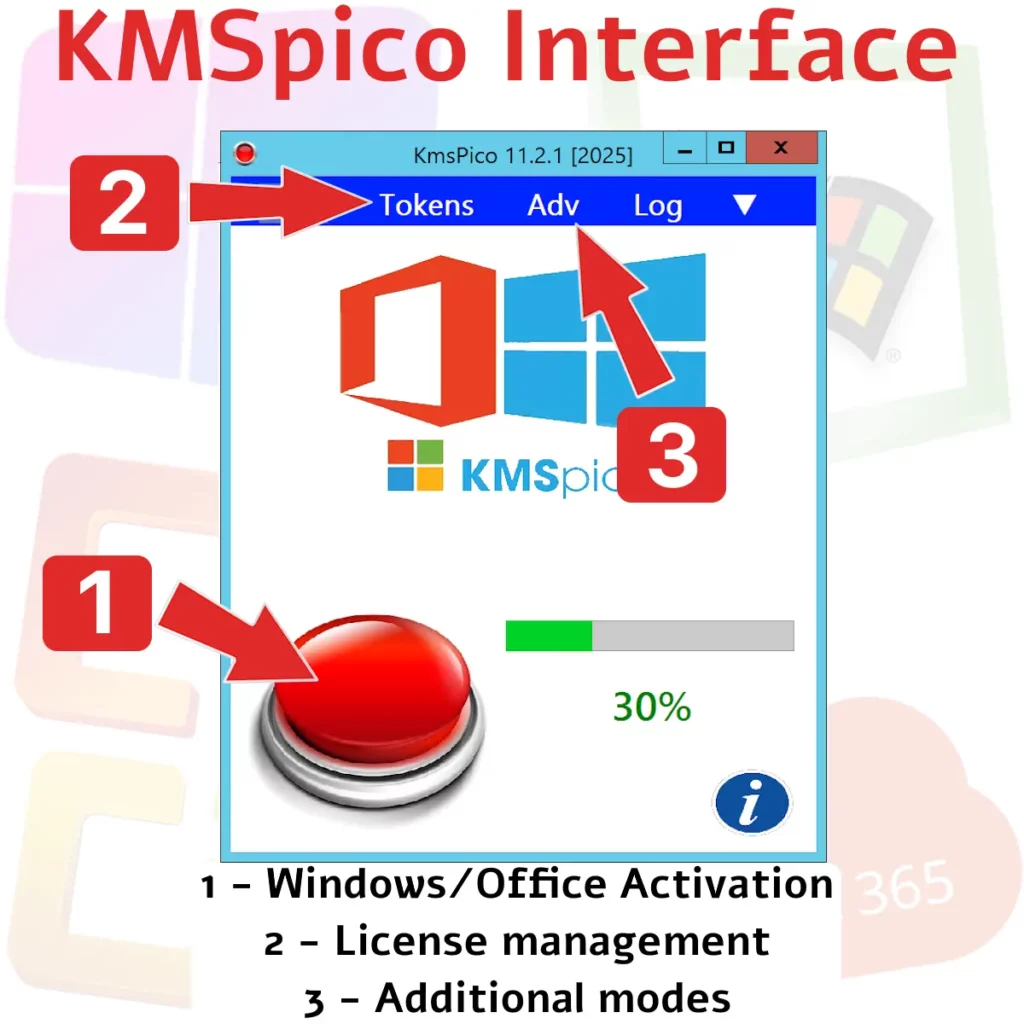
Technical Overview of Activation Process
- The KMSpico application installs a virtual service on the system acting as a local KMS server.
- It triggers activation requests that mimic communications with Microsoft’s actual servers.
- This process usually takes minutes on systems meeting minimum requirements such as VM with 2 vCPU and 4 GB RAM for efficient handling.
- The tool’s design focuses on simplicity but at the cost of exposing systems to potential threats due to lack of authentic verification processes.
Alternative Activation Strategies
Beyond using aktivasl windows 10 kmspico or entering retail keys manually, businesses can leverage Microsoft’s Volume Licensing Service Center (VLSC) for bulk licenses. This approach offers robust administration tools and compliance tracking capabilities. VLSC provides centralized management features that simplify license distribution while ensuring adherence to legal standards.
KMSPico Versus Other Activators
A variety of activators exist beyond KMSpico, each carrying similar risks but differing in operational details. For instance, while some rely on code injection techniques, others use registry modifications to emulate activation – all lacking the legitimacy of genuine licenses. These alternatives often promise quick fixes but fail to deliver sustainable solutions compared to official channels.
Lesser-Known Tools: DISM Utility
For those who prefer more official routes while managing bulk deployments or repairs, DISM (Deployment Image Servicing and Management) is an effective command-line tool available in Windows setups that helps with genuine license activation assessments and corrections. DISM aids in maintaining system integrity without resorting to unauthorized methods like aktivasl windows 10 kmspico.
The Future Outlook of Licensing Practices
The increasing prevalence of tools like KMSpico reflects ongoing challenges in enforcing traditional licensing models against user demand for lower-cost solutions. With licensing models evolving alongside technology advancements, it is essential for companies to adapt by providing more attractive legal options than those offered through illicit activators such as aktivasl windows 10 kmspico. Businesses must innovate their licensing strategies to remain competitive while safeguarding intellectual property rights.
Navigating Between Convenience and Legality
While user convenience is important, so too is legality and ethicality in software usage. Organizations need to emphasize the value of securing proper licenses not just to avoid penalties but also to ensure full functionality supported by official updates and customer service from providers like Microsoft. Legal compliance fosters trust between users and developers while ensuring long-term reliability.
The debate between convenience offered by tools like KMSpico versus secure practices continues. By understanding these dynamics better, users and administrators can make informed decisions regarding activation methods balancing convenience with security guarantees inherent in official licensing paths. It is vital for both individuals and businesses alike to weigh short-term gains against potential long-term repercussions when considering unlicensed activators.
Moreover, adopting legitimate licensing practices contributes significantly towards building a reliable technological ecosystem where every user benefits from standardized support structures designed by developers who understand their products best. This ensures not only enhanced functionality but also promotes innovation as developers are rewarded fairly for their work rather than battling against illegal distribution methods such as aktivasl windows 10 kmspico.
As technology continues evolving rapidly, staying compliant with licensing standards becomes increasingly crucial in maintaining operational integrity across global networks where different norms might apply depending on regional laws governing intellectual property usage rights associated specifically with software products akin to Windows operating systems.